The shimmer was fading. The shuttles had stopped clacking. Then the skill was rescued from the brink of oblivion.
Watch how Gadwal weavers were able to restore their inimitable craft to its original glory.
Aadyam Handwoven works with weaver communities across India to create an empowered and self-sustaining ecosystem. One of the geographical clusters under its intervention umbrella includes the erstwhile royal district of Gadwal.
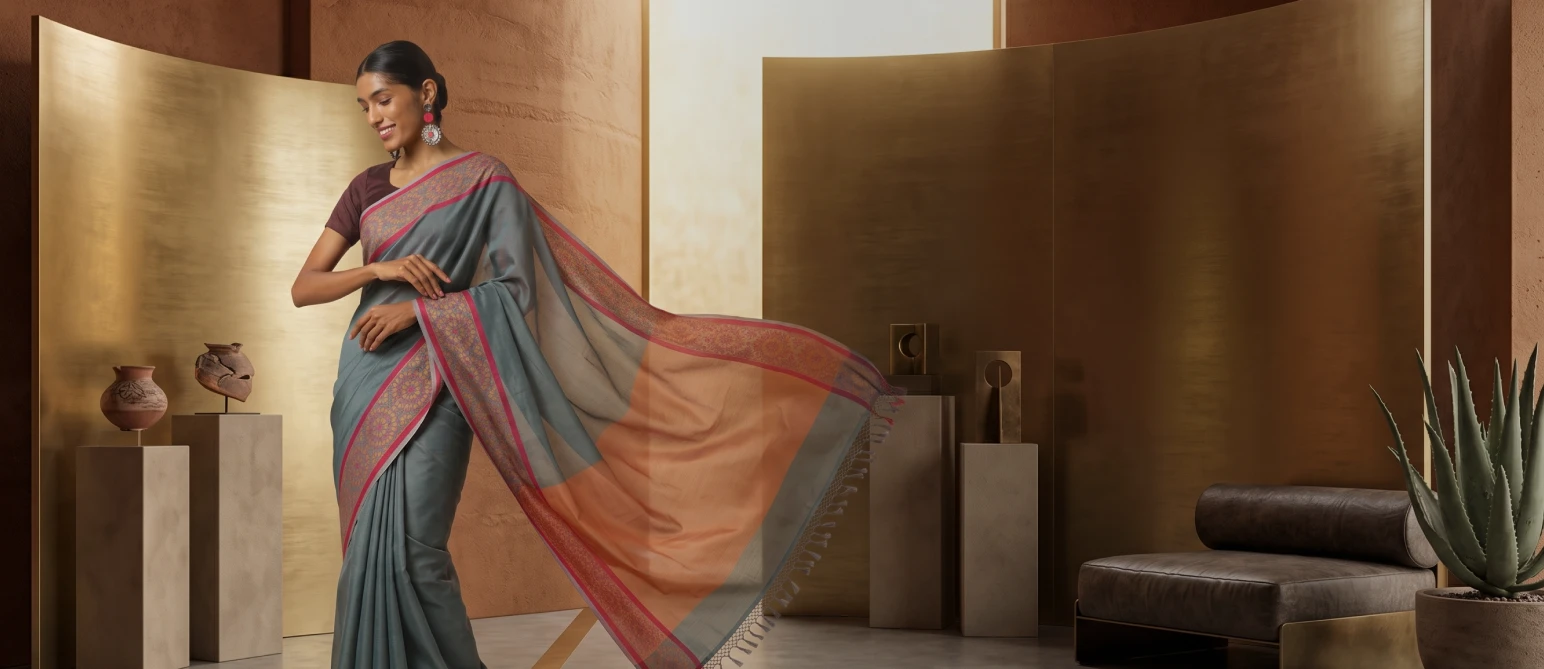
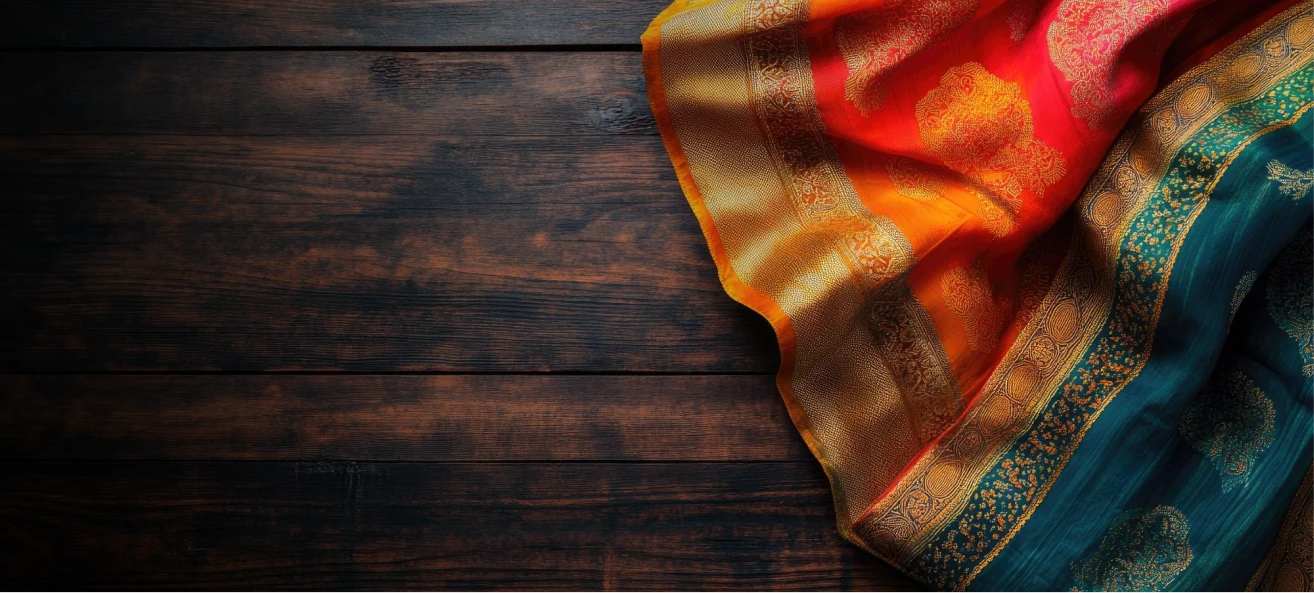
Gadwal is a small yet historically significant district in Telangana, home to a distinct style of handloom sarees that bear the signature of a craft shaped by centuries; a craft that was losing its sheen until Aadyam Handwoven stepped in to revive it.

Withstanding the test of time
In the 17th century, a fort was built by King Somanadri in Gadwal Samsthanam, then a vassal of the Nizam of Hyderabad, now in a district known as Jogulamba Gadwal in Telangana. The temple town of Alampur in Gadwal district grew around the fort and remains steeped in history due to the old grandeur of the fort as well the ancient Jogulamba temple at its heart.

Originating out of devotion
Long before it became part of ceremonial wardrobes, the Gadwal saree was woven for temples, to adorn the deities during rituals like the Brahmotsavam.
Over time, this sacred textile moved from temple spaces into human lives. Patronised by local courts and gifted to priests, dancers, and dignitaries, the weave gradually became part of ceremonial dressing.
Till today, the ritual of offering the first Gadwal saree to the deity is practiced, keeping the sacred, centuries-old tradition alive.
Discernable by meticulous technique
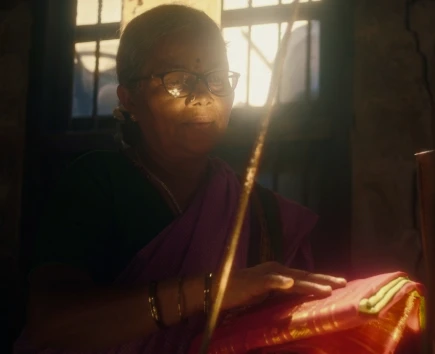
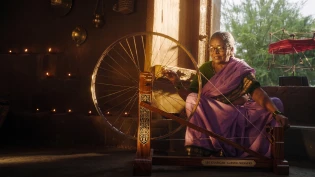
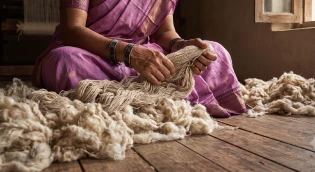
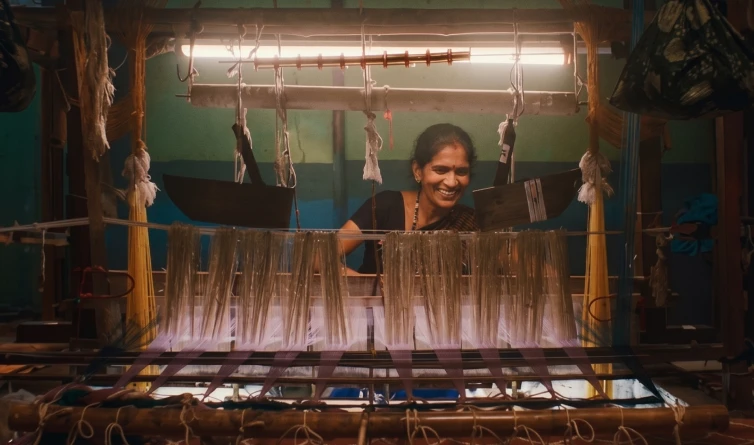
What sets Gadwal sarees apart is their distinctive weaving process, carried out almost exclusively by the women of the community. The body of the saree, known as 'Kupadam' and crafted from fine cotton, is painstakingly joined with a silk and zari border on the loom, using an interlocked weft technique called 'Kuttu'.
The Kuttu weaving technique is a masterful process where the cotton body, silk border, and silk palla are interlocked thread by thread using a three-shuttle weave, ensuring a seamless, durable bond between different fabrics, reinforced with a traditional mix of neem and ash oil, making Gadwal sarees both structurally strong and effortlessly elegant.

Conserving the true essence
The rising preference for silk over cotton, speed over precision and mass over niche had forced the community of Gadwal weavers to abandon cotton and the traditional three-shuttle technique in order to cater to market demands and ensure their own survival.
Aadyam Handwoven works closely with the Gadwal artisans to restore the saree to its real essence, assuring them of fair pay, and a commitment to reach a market of connoisseurs: those who understand the true worth of an original Gadwal saree.