















When Sustainability Is the Product
- Copy


From fibres that recycle textile waste to carbon black that is produced from used tyres, Aditya Birla Group is doing more than driving circularity, it is innovating and creating products that epitomise sustainability.
The sustainable portfolio is growing in size and includes products such as RecyclamineTM, ContinuaTM, Regel, ABY Green Poly, Liva Reviva, Birla Excel, EcoEDGE and UltraTech EnviroPlus that set benchmarks in sustainability-first innovation.
The Market for Sustainable Products
For decades, sustainability in industry has been largely measured by what happened inside the factory: energy consumed, water saved, waste recycled and emissions reduced. That equation is changing. Sustainability is moving into the product proposition.
The next frontier of sustainability is about showcasing the business value of what we make - turning waste into resources, circularity into products and environmental performance into competitive advantage.
- Customers want materials that can lower their environmental footprint.
- Regulators are raising expectations around recycled content, resource efficiency and emissions.
- Companies recognise that the materials they source can be as important to their sustainability ambitions as the processes they control.
This is creating a new frontier of value, where sustainability is not merely an operational metric, but a product attribute and a source of growth.
Aditya Birla Group is proactively responding to these changing dynamics by extending the material value chain, moving beyond conventional recycling and process circularity to create branded, patented, value-added sustainable materials and solutions. The ambition is clear: to make sustainability tangible in the products that reach customers.
Regulation Is Raising the Bar
The regulatory landscape is reinforcing this shift.
- In India, the Plastic Waste Management Rules and Extended Producer Responsibility (EPR) framework place obligations on producers, importers and brand owners for plastic packaging, while restrictions on identified single-use plastic items are encouraging alternatives and circular solutions.
- India's Carbon Credit Trading Scheme is also establishing the architecture for a national carbon market, creating economic incentives for improving emissions intensity and investing in decarbonisation.
- Globally, the direction is similar. In the US, the Environmental Protection Agency's sustainable procurement framework encourages federal buyers to consider environmental performance, including resource efficiency, safer materials and plastic reduction.
- In Europe, the Ecodesign for Sustainable Products Regulation is raising the bar further, with requirements covering durability, reparability, recyclability, recycled content, resource efficiency and carbon & environmental footprints.
The message is consistent: the environmental attributes of a product matter as much as its traditional performance attributes. For businesses, sustainability has to enter the laboratory and design studio to add value to intellectual capital, supply chain, customer proposition and the investor community.
Here’s how Group businesses are delivering.
Birla Cellulose: From Fibre to Circular Fashion
Birla Cellulose’s portfolio includes Liva Reviva, which uses recycled textile waste, while Birla Excel, Livaeco and other fibres have been designed to combine performance with stronger sustainability attributes. Birla Cellulose recently launched Liva Reviva M, India's first next-generation circular fibre made from recycled clothing – taking circularity from manufacturing waste towards the much larger challenge of post-consumer textile waste. The business has also advanced chemical recycling through its next-generation fibre portfolio. The opportunity is significant: not simply to manufacture fibre responsibly, but to help reshape the material flows of the fashion industry.
Birla Carbon: Making Carbon Circular
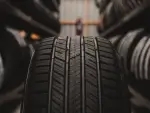
Birla Carbon's Continua demonstrates how a difficult waste stream can become a valuable industrial input. The product uses end-of-life tyres to create circular carbon black alternatives, addressing tyre waste while reducing the carbon footprint associated with conventional carbon black production. The Group's sustainability reporting estimates approximately 0.73 tonnes of CO₂ reduction per tonne through circular production. The larger idea is powerful: a used tyre is no longer landfill, it can become the starting material for the next product.
Hindalco: Engineering Circularity
Aluminium's inherent recyclability gives Hindalco and Novelis a strong platform for circular innovation. Recycling aluminium can deliver up to 74% lower CO₂ emissions compared with primary aluminium. Hindalco's EcoEDGE C portfolio of ingots and foil brings recycled content and circularity into aluminium and copper products. In addition, Hindalco has enabled the use of bauxite residue as inputs into cement and road construction — finding new value in materials that were once considered waste.
Ultratech: Decarbonising Construction
Few industries have a greater role in the low-carbon transition than construction. UltraTech is embedding sustainability directly into its ready mix concrete solutions. UltraTech’s EnviroPlus range of concrete solutions offers 30-50% reduction in embodied CO2 to the construction sector. The business has also crossed 1GW of captive renewable energy capacity, strengthening the role of clean energy in its manufacturing footprint.
Products That Turn Waste Into Value
The philosophy is visible across Aditya Birla Group.
- Thai Acrylic Fibre's Regel contains at least 50% recycled content.
- Aditya Birla Yarn's ABY Green Poly converts waste PET bottles into recycled polyester yarn while using less energy than conventional polyester.
- Aditya Birla Advanced Materials' Recyclamine offers recyclable epoxy to the composite sector.
What connects these businesses is the idea that sustainability creates the greatest value when it solves a customer problem. A recycled fibre has greater impact when it delivers the performance customers expect. Low-carbon aluminium matters when it meets demanding specifications. Circular carbon black becomes commercially powerful when manufacturers can incorporate it without compromising performance. Sustainable concrete becomes transformative when it can be deployed at scale.
At Aditya Birla Group, sustainability and innovation converge to create business value as much as environment impact; they also help demonstrate the outcomes of being ‘A Force for Good’.